
Introduction: The Gap Between Looks and Logistics
Speed wins launches; packaging sets the pace. In today’s supply chain, make up packaging manufacturers hold the real throttle on time-to-market and cost. If you pick the wrong makeup packaging supplier, small errors turn big—fast. Picture this: a mid-size brand locks a holiday drop, then fails a leak test in week eight—caps backspin, tolerance stack-up, and CMF mismatch show up at the worst time (chai mai?). Recent category checks show that over 40% of launch delays trace back to packaging inputs, not formula. That is a lot. And when you add PCR resin targets, airless pump specs, and varying MOQ policies, the puzzle grows. So the question: are we sourcing on look and price only, or on lifecycle and process, too? We talk simple here. Thai English style, na—knowledge sharing, not fluff. Direct words help the team move. Data, too.
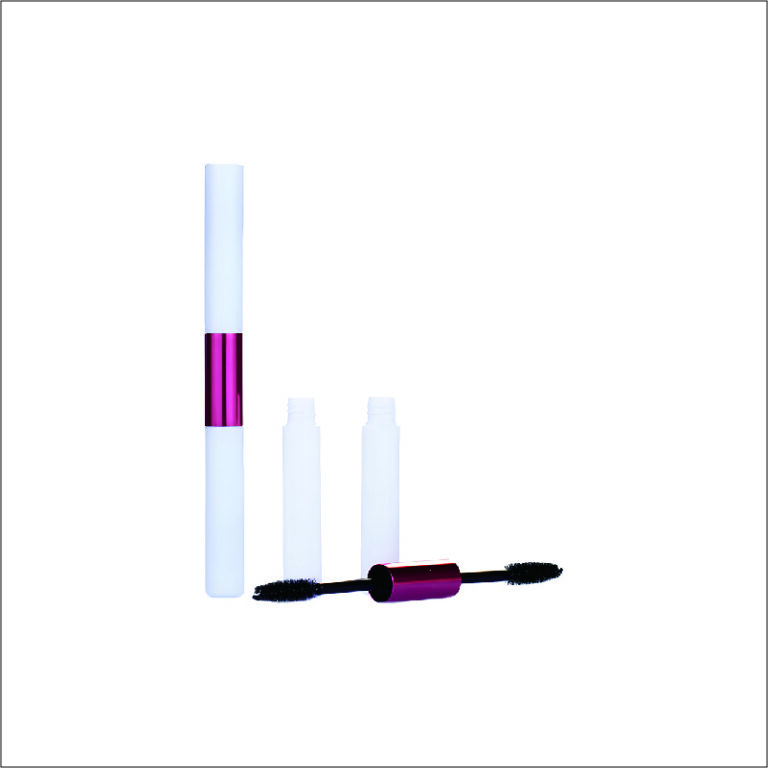
We will compare what matters: consistency vs. trend chasing, cost vs. risk, and old controls vs. new visibility. Then we ask what good looks like, in a way your ops and design both accept. Let’s move to the real pressure points.
Under the Surface: Why Sourcing Still Stings
What keeps costs sticky?
Technical view first. Traditional sourcing leans on pretty samples and low quotes. But failure hides in the process, not the showroom. Common pain points include drifting dimensions after tool wear, which cause actuator wobble and micro-leak paths; inconsistent anodized aluminum shade vs. master color; and weak barrier properties once you change wall stock for price. Look, it’s simpler than you think: if the supplier cannot show process capability (Cpk) on critical-to-function dimensions, your nice prototype means little. Add in MOQ traps—big runs to earn unit cost—then you carry slow-moving shades and tie up cash. Airless pump stacks often fail when spring force and stroke volume are not locked by design of experiments. The old fix? Over-inspection. It is slow and costly.
Hidden user pain is quiet but sharp. Ops teams face lead-time slip when change requests meet hard steel; tooling revisions can add 3–5 weeks. Sustainability teams chase PCR resin targets, yet discover scuffing and stress-whitening when the lid snaps—funny how that works, right? Meanwhile, QA tries to align to ISO 22715 and GMP, but suppliers report pass/fail, not real control charts. When vacuum metallization varies by batch, your hero SKU photographs dark on one pallet and bright on the next. That inconsistency hits sell-through, but the root cause is upstream process discipline. The flaw is not people; it is the model—purchase by quote, then manage by exception. We can do better.
Next Lens: Tech Signals and Practical Comparisons
What’s Next
Semi-formal now, and forward-looking. New technology principles are changing the scoreboard. Digital twins of assemblies let teams simulate torque-on-cap and drop behavior before steel cuts. Inline vision systems, paired with SPC dashboards, flag drift on neck ID and thread pitch in real time—no waiting for end-of-line scrap. Suppliers that track resin lots and pigment batches with QR-based chain-of-custody improve supply chain traceability and make PCR claims auditable, not just nice. Compare that to the old way—golden sample in a drawer, then emails when a batch looks “off.” With the next wave, you also get faster design loops: rapid soft tooling plus DOE shrinks the window between first-off and PPAP sign-off. This is where the modern makeup packaging companies cohort is pulling ahead (quietly, but clearly).
Case example, condensed. A color brand moved from vendor A to a data-forward partner. They mapped critical features on the actuator, set Cpk ≥ 1.33 for push force, and locked CMF with controlled anodize baths. They added LCA snapshots to each part revision, so sustainability wasn’t a slide— it was a number. Result: 27% fewer line holds, shade-to-shade rework cut in half, and tooling changes predicted before scrap. Not magic, just methods. Old habit: approve by look and handshake. New habit: approve by capability and traceability. Short. Clear. It works.
So, when you weigh legacy vendors against digitally enabled players, the comparative frame is simple—fewer surprises vs. more firefighting. And that choice shapes margin just as much as unit price. Small changes upstream mean calmer launches downstream (and calmer teams, too).

How to Choose: A Short Advisory You Can Use Tomorrow
To close, three metrics keep buyers and engineers aligned without drama. (1) Dimensional and functional capability: ask for Cpk on 3–5 critical dimensions, plus life-cycle tests on the dispensing system; tie it to PPAP. (2) Proven sustainability math: verified PCR resin content with batch-level documentation, and a basic LCA that shows change impact per gram—no vague claims. (3) Consistency at scale: color ΔE limits, gloss windows, and first-pass yield across two consecutive lots; enforce with incoming AQL and supplier SPC access. If a partner hits these, you get fewer escalations, more predictable prepacks, and faster S&OP. Simple, na? And if you want a benchmark to compare against, note how teams like NAVI Packaging publish process signals—not just pictures.