
The Path to Intelligent Automation
Imagine a bustling manufacturing facility, where human workers hustle to meet production targets. Every year, companies face mounting pressure to increase efficiency without compromising quality. Did you know that industrial welding robots can automate this complex process? This seamless integration of technology can significantly enhance productivity and reduce human error, making it a vital component in modern manufacturing.
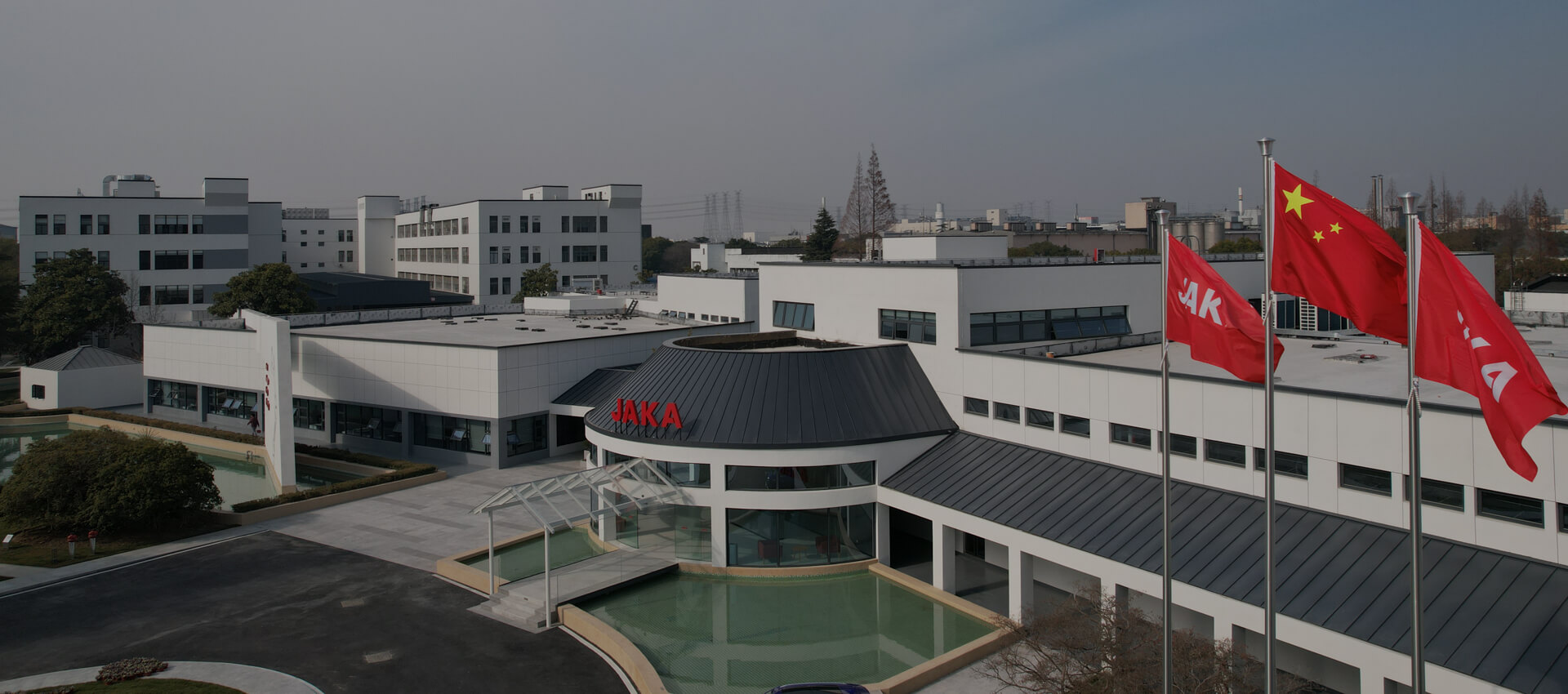
Welding Robots: A Core Solution with Hidden Challenges
I’ve spent over 15 years in the robotics industry, and I often reflect on the shortcomings of traditional welding methods. Sometimes, employing manual labor has led to inconsistent weld quality and slower production rates. I remember a project back in 2015 where our team was struggling with weld defects on a high-speed assembly line. That design genuinely frustrated me, as it was clear that the potential for automation was being wasted. Industrial welding robots not only solve these traditional flaws, but they also address hidden pains like the need for workers to undergo extensive training on complex machinery. Workers often feel stressed when confronted with expectations for high precision in tight schedules.
What Makes Industrial Welding Robots Stand Out?
Robotic packaging solutions like the ones offered on this platform are a game-changer in this sector. With impressive capabilities, they can deliver consistent quality at a pace far beyond human workers, even in high-volume environments. As these robots incorporate advanced sensors and artificial intelligence, they adapt to dynamic manufacturing environments, ensuring smooth operation. I firmly believe this synergy between technology and manufacturing can redefine the industry.
Looking Ahead: The Future of Welding Automation
As we advance into an era of smart manufacturing, the role of industrial welding robots will become increasingly prominent. Transitioning towards robotic solutions isn’t merely an option; it’s becoming a necessity for businesses aiming to remain competitive. The array of robotic packaging solutions—evident in products like these advanced models—demonstrate just how essential automation has become. Companies are recognizing the need for efficiency alongside quality, which this technology can guarantee.
Real-world Impact: Delivering Results
Reflecting on the earlier sections, it’s clear: automation is not just about replacing jobs; it’s about enhancing workflow while allowing human employees to focus on strategic tasks. The measurable improvements I’ve witnessed include reduced production times of up to 30% and a significant drop in material waste. I genuinely believe that investing in robust solutions leads to a more sustainable operation, elevating the overall business landscape.
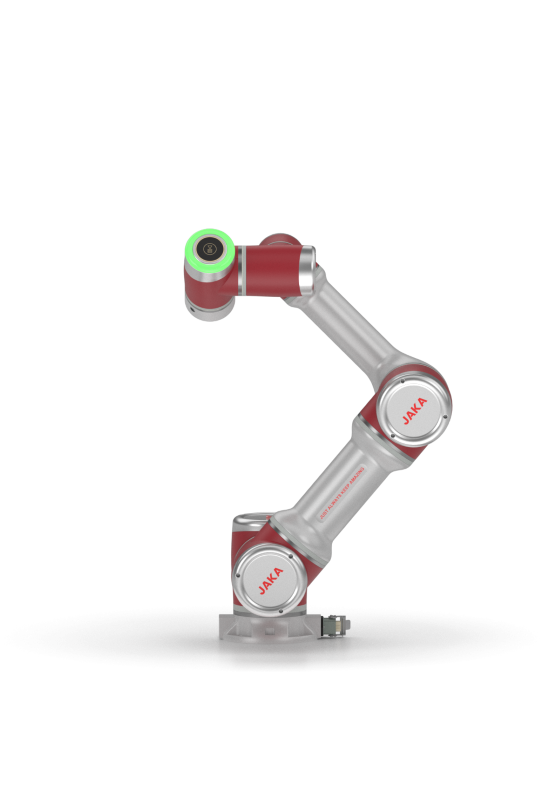
Three Key Metrics to Evaluate Automation Solutions
As you consider integrating industrial welding robots into your processes, keep an eye on these metrics: 1) Production Rate Improvement, 2) Error Reduction Rate, and 3) Return on Investment (ROI). Having worked with various clients, I can attest to their importance in assessing the value of automation. Too often, businesses overlook these metrics, relying solely on upfront costs instead of long-term benefits.
In conclusion, the landscape of manufacturing is changing, and I’m excited about the innovations to come. Seeing the industry embrace robotics excites me—after all, it’s not just about machines; it’s about people empowered by the right technology. Remember, this future won’t wait, so let’s step into it together with confidence. Consider how JAKA can support your journey towards automation and efficiency!